Professional Tree Trimming Services in Omaha, TX
A well-maintained tree is healthier, safer, and more beautiful than one that's been left to grow without care. Professional tree trimming is one of the most important things you can do for the trees on your property — and for the safety of the people and structures around them. Wilderness Tree Service provides expert tree trimming for residential and commercial customers throughout Omaha, TX, and a 40-mile radius covering Titus, Morris, Cass, Camp, and Red River counties.
With over 30 years of experience and operations serving the East Texas area since 2012, our team understands how the trees of this region grow, what they need, and how to trim them in ways that promote long-term health while addressing safety and aesthetic goals. We open trees up by removing cluttering limbs so they can breathe better—and so they present less of a target for high winds. The result is a tree that looks better, grows stronger, and is far less likely to fail during the next storm. Call or text (903) 563-0226 for a free estimate.
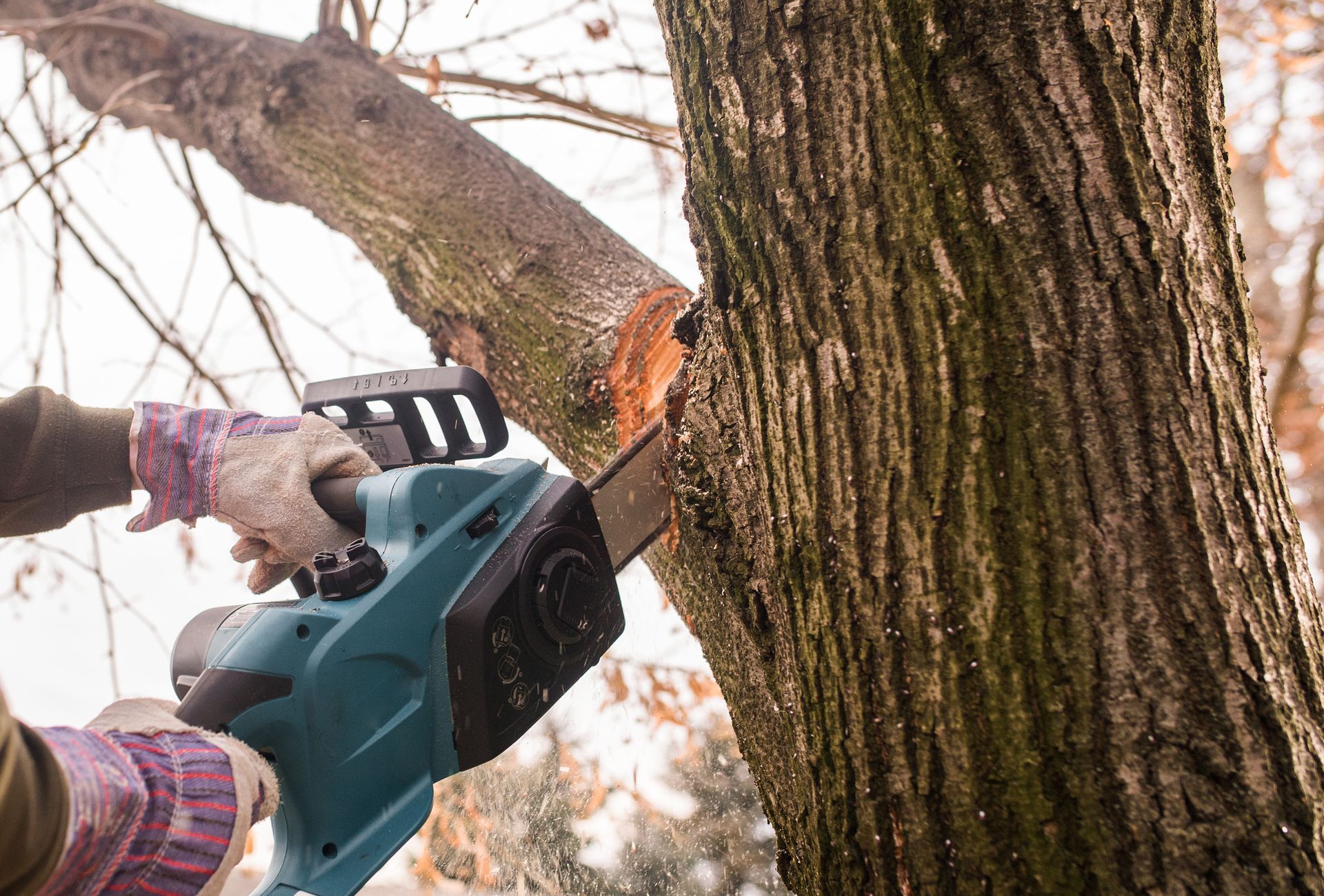
Why Tree Trimming Matters
Untrimmed trees don't just look overgrown — they develop structural problems over time that compromise their safety and longevity. Dead branches fall unpredictably and can damage property or injure people below. Crossing and rubbing branches create wounds that invite disease and pests. Excessive canopy density reduces air circulation, encouraging fungal growth and limiting sunlight to the interior of the tree. Trees with unbalanced canopies are more vulnerable to wind damage than those with properly thinned crowns.
Regular trimming addresses all of these issues. It removes dead, dying, and damaged wood before it can fall. It eliminates crossing and competing branches. It opens the canopy for better air and light penetration. And it shapes the tree to grow in ways that are structurally sound and visually appealing. The investment in periodic professional trimming significantly extends the life of your trees and reduces the likelihood of costly emergency removals down the road.
Crown Thinning
Crown thinning selectively removes branches throughout the canopy to reduce density without significantly changing the tree's overall shape. This improves air circulation and light penetration through the canopy, reduces wind resistance during storms, and removes weak or crossing branches that could cause problems over time. Thinning is particularly important for large, mature trees in East Texas that have developed dense canopies.
Crown Raising
Crown raising removes lower limbs to increase clearance beneath the tree—clearing branches from over rooftops, driveways, walkways, and structures. This is one of the most common reasons homeowners and commercial property owners call us for trimming. Proper crown raising improves visibility, increases usable space beneath the tree, and reduces the risk of limbs contacting structures during wind events.
Crown Reduction
Crown reduction reduces the overall size of the tree's canopy by shortening the longest branches back to lateral growth points. This is used when a tree has grown too large for its space, is encroaching on power lines or structures, or has developed an unbalanced shape due to previous damage or poor growth patterns. Properly executed crown reduction maintains the tree's natural shape while managing its size.
Dead Wood Removal
Removing dead and dying branches is one of the most important safety services we provide. Deadwood falls—and it does so unpredictably, often without warning. Proactively removing dead limbs protects people and property below the tree and eliminates entry points for wood-boring insects and disease that can spread to healthy wood.
Tree Trimming Frequently Asked Questions
How often should trees be trimmed?
The ideal trimming frequency depends on the species, age, and condition of the tree, as well as its location relative to structures and utilities. As a general guideline, most mature landscape trees benefit from professional trimming every two to three years. Young trees may benefit from more frequent training trims to establish good structure early. Trees near power lines or structures may need more frequent attention. After a storm or severe weather event, trees should be assessed promptly for damage that requires trimming. We're happy to assess your trees and recommend a maintenance schedule during your free estimate visit.
Is there a best time of year to trim trees in East Texas?
For most species in East Texas, late fall through early spring — when trees are dormant — is the preferred trimming window. Trimming during dormancy reduces stress on the tree, minimizes sap loss in species that bleed heavily when cut, and reduces the risk of attracting insects that are active in warmer months. However, dead wood removal and safety trimming can and should be done any time of year when a hazard is present. If you have a specific species you're concerned about, call us, and we can advise on the best timing for that tree.
Can improper trimming harm my trees?
Yes, poor trimming technique can cause significant long-term damage to trees. Common mistakes include topping (removing large sections of the main trunk or major limbs), flush cutting (removing the branch collar that allows the wound to seal properly), and over-pruning (removing too much of the canopy at once, which stresses the tree). These practices can introduce disease, weaken the tree's structure, and in some cases permanently disfigure it. Wilderness Tree Service uses proper arboricultural techniques on every job to protect the long-term health of your trees.
Do you trim trees near power lines?
We trim trees near power lines for our customers throughout East Texas. Work in close proximity to energized power lines requires care and experience, and our crew is trained to work safely in these situations. For trees that are in direct contact with high-voltage transmission lines, coordination with your utility provider is typically required before trimming can safely proceed. We'll advise you on the appropriate approach during your free estimate.
Call or Text for a Free Estimate—(903) 563-0226 | Available 24/7